
TASTING CLIMATE CHANGE
JANUARY 18-19-20, 2026
The fifth edition of TASTING CLIMATE CHANGE™ took place in Montreal on January 18–20, 2026 at Marché Bonsecours, partner of the conference. Presented both in person and virtually, the international conference brought together more than 500 participants from around the world. The program included four masterclasses, two full days of conferences and panel discussions, four walk-around tasting sessions, and numerous networking opportunities.
Sunday, January 18
9:30-12:00 - MASTERCLASSES
13:00-15:30 - MASTERCLASSES
Monday, January 19
8:15-9:00 - Welcome address by Michelle Bouffard, Founder of Tasting Climate Change, and Jacques Farcy, President and CEO of the Société des alcools du Québec
9:00-12:00 - CONFERENCES
12:00-1:30 - Lunch & Walk-around tasting (Salle de la Commune) on the theme Seeking freshness
1:30-4:30 - CONFERENCES
4:30-6:00 - Networking & Walk-around tasting on the theme Good for you, good for the planet
Tuesday, January 20
8:00-12:15 - CONFERENCES
12:15-1:45 - Lunch & Walk-around tasting (Salle de la Commune) on the theme Against All Odds
1:45-3:45 - CONFERENCES
3:45-17:15 - Networking & Walk-around tasting on the theme Good for you, good for the planet
SUNDAY, JANUARY 18
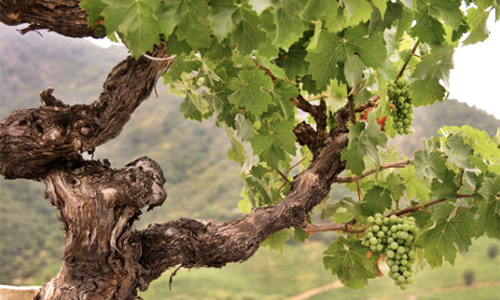
Old Vines in the Context of Climate Change
MASTERCLASS | 9:30-10:30 AM
Sarah Abbott MW, The Old Vine Conference
Maria Giovanna Migliore, Giacomo Borgogno & Figli
Rosa Kruger, Old Vine Project
Dr. Laura Catena, Catena Zapata & Luca Wines
This session explores how old vines and heritage viticulture are fundamental to the future of wine in the face of climate change. Sarah Abbott, Master of Wine and co-Founder of The Old Vine Conference, will highlight how old vines are arks of genetic diversity, viticultural craft, and heritage varieties. Wines from Old Vine Conference member wineries will exemplify how some of the most dynamic and admired wineries of the world are working specifically with old vines to increase resilience, quality and sustainability in their response to climate change.
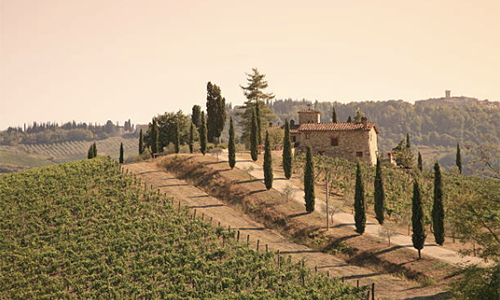
The Chianti Classico toolkit, a holistic approach to climate change
MASTERCLASS | 11:00-12:00 AM
Michaela Morris DipWSET, Decanter
No wine region is immune to the effects of climate change and while broad issues may be similar from one to the next, the unique reality of each brings its own set of challenges - and opportunities. Chianti Classico provides a case study of a denomination marrying natural factors with human ones to mitigate challenges and continue producing territorial wines that preserve historic and cultural identity. Through a diverse selection, this seminar will explore altitude, exposure, biodiversity and native grape varieties along with specific techniques producers are applying in the vineyard and winery.
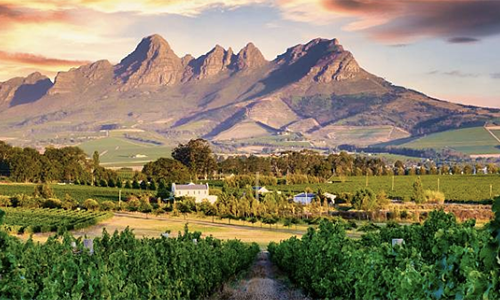
Learning from South Africa
MASTERCLASS | 1:00-2:00 PM
Rosa Kruger, Old Vine Project
Etienne Neethling PhD, Ecole supérieure d'Agriculture d'Angers
South Africa is a land of extremes, where drought and fires are a constant threat. Yet the country is thriving and more dynamic than ever. What lessons can other regions draw from South Africa to build a sustainable future?
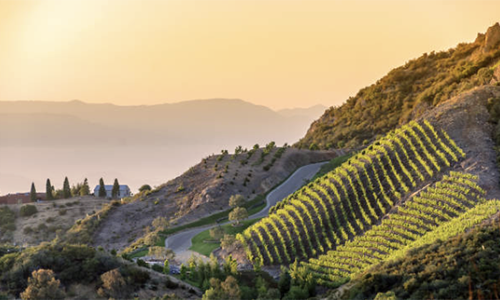
The Role of Viticulture in Climate Action
MASTERCLASS | 2:30-3:30 PM
Elaine Chukan Brown, Author of The Wines of California
Farming is crucial for building resilience in vineyards as wine regions face climate change. In California, Napa Valley, Silicon Valley, and UC Davis combine world-class winegrowing, technological innovation, and viticultural research to create impactful solutions. Key Napa Valley producers use these opportunities to refine viticultural practices suited to their site and style goals, enhancing the environment and vineyards' agility. This seminar will explore the role of farming, location, and vigneron in developing a holistic approach to climate action and wine quality. Through three winery case studies, it will examine how vineyards can cool their environment and reduce greenhouse gas emissions, how soil health builds resistance to temperature changes, disease pressure, and smoke impact, and the importance of dry farming and cover crops in countering climate change.
MONDAY, JANUARY 19
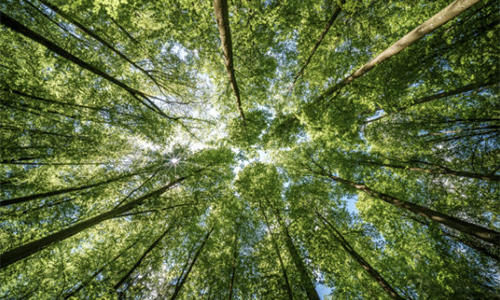
Wine production in a constant changing world
OPENING CONFERENCE | 9:00-9:45 AM
Jean Lemire, Government of Québec
Jerôme Dupras PhD, Habitat Nature
Climate change is profoundly transforming ecosystems and agricultural practices. Plastic pollution is also affecting marine and terrestrial habitats and poses a threat to public health. In this conference, climate change envoy Jean Lemire and researcher Jérôme Dupras will present a global overview of the current state of science on upcoming environmental and climate impacts. They will also highlight the essential role of biodiversity as a lever for resilience and adaptation for the future of our terroirs.
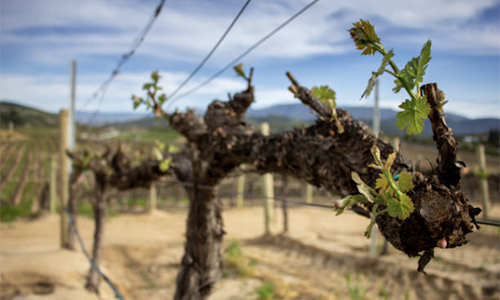
Vines and grape variety: a perpetual evolution, from yesterday to tomorrow
CONFERENCE | 10:00-11:00 AM
Marc-André Selosse PhD, Muséum National d’Histoire Naturelle de Paris
The history of the vine has recently become clearer: it originated in the Middle East 11,500 years ago, and the domesticated grapes were propagated towards the West. On the way, they evolved genetically, establishing the current grape varieties. From Europe, they spread throughout the world... while they became less diverse, particularly after phylloxera. Today, faced with diseases (especially fungi) and climate change, our grape varieties must evolve and adapt. Solutions already exist: come and discuss these adaptations, keeping in mind that domesticated vines and viticulture must reconnect with the capacity to evolve that built their history and their successes.
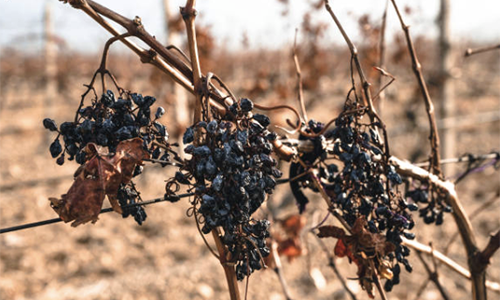
Building Resilience
CONFERENCE | 11:00-12:00 AM
Rosa Kruger, Old Vine Project & Decanter Hall of Fame 2022
Climate change is a harsh new reality in many countries. Heatwaves, less rain, floods and fires is asking of us to look at farming and viticulture differently. New ways to design vineyards that flow with the natural landscape, that capture and store rainwater effectively and improve soil health might help farmers to become more climate resilient. Migrant or seasonal labour is used in many countries to work the vines. Vine schools for vineyard workers can provide a deeper, shared understanding of viticultural techniques necessary for survival in future.
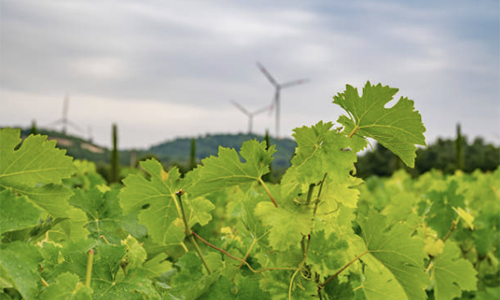
Regenerative viticulture – Building a sustainable future
PANEL | 1:30-2:30 PM
Isabel Gassier, Famille Gassier
Fanny Courtial, Château de l'Eclair
Becky Sykes, Regenerative Viticulture Foundation
Moderated by Michelle Bouffard
Regenerative viticulture is seen as the new gold standard in sustainability. The Rodale Institute estimates that if all agriculture adopted regenerative practices, we could sequester 100% of current CO₂ emissions. Our panelists will explore why regenerative viticulture matters, how it strengthens soil health and biodiversity, and what it means for the future of wine.
Water Management –
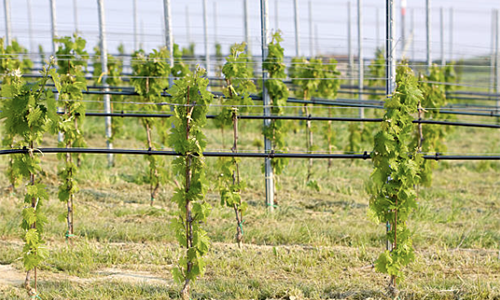
Every Drop Counts
PANEL | 2:30-3:30 PM
Kosta Bakasietas, Agronomist nurseryman
Edouard Guérin, L’Oratoire des Papes
Will Drayton, Treasury Wine Estates
Moderated by Marta Mendonça
Water is one of the most precious resources in wine production, yet also one of the most threatened by climate change. This panel will bring together experts and producers to discuss innovative strategies for water management — from irrigation practices to soil health and regenerative solutions — and explore how the wine industry can adapt to increasing water scarcity.
North American Frontiers – Emerging Wine Regions
PANEL | 3:30-4:30 PM
Gabriel Demarco, Cave Spring Vineyard
Vincent Laniel, domaine Très-Précieux-Sang
Ria D'Aversa, Ria’s Wines
Mathieu Lapierre, Domaine M. & C. Lapierre
Moderated by Michelle Bouffard
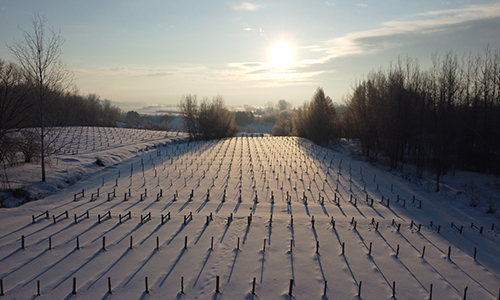
Québec, Ontario, and New York are often seen as regions poised to benefit from climate change, with longer growing seasons and new grape varieties becoming viable. But is that truly the case? Alongside these opportunities come significant challenges — from frost and humidity to shifting consumer perceptions. This panel will bring together producers to explore both sides of the story: the promise, the risks, and what the future may hold for these emerging cool-climate regions.
TUESDAY, JANUARY 20
Understanding Consumer Perceptions of Climate Change
CONFERENCE | 8:00-9:00 AM
Nathalie Spielman phD, NEOMA Business School
How can we get consumers to positively react to climate change? By first understanding what drives their (lack of) behaviour. This conference focuses on key psychological drivers that consumers rely on as well as market forces that may help but sometimes hinder climate change acceptance by consumers.
Buying Power – The Role of Wine Buyers in a Changing Climate
PANEL | 9:00-10:00 AM
Ines Castillo, SAQ
Dr. Laura Catena, Catena Zapata & Luca Wines
Michele Manelli, Equalitas
Marcus Ihre, Systembolaget
Moderated by Michelle Bouffard
Wine buyers hold significant influence in shaping a more sustainable industry. This panel will explore how purchasing decisions, certification standards, and market expectations intersect to drive climate action in wine. Panelists will also share the challenges and opportunities they face when balancing sustainability with consumer demand.
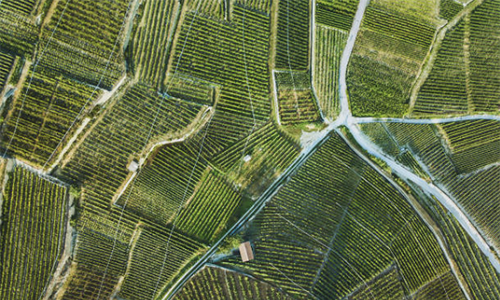
No to Greenwashing – Building Real Sustainability in Wine
PANEL | 10:15-11:15 AM
Alessio Planeta, Planeta
Felicity Carter, Drinks Insider & Areni Global
Sandro Bottega, Bottega
Alejandra Galván, CedarCreek Estate Winery
Moderated by Felicity Carter
As sustainability gains momentum in the wine industry, the risk of greenwashing grows. This panel will explore how producers, buyers, and certification bodies can ensure that claims are credible and transparent. Panelists will discuss strategies to communicate real progress, avoid misleading messaging, and build consumer trust.
Shaping the Narrative – The Role of Communicators in Sustainable Wine
PANEL | 11:15-12:15 AM
Felicity Carter, Drinks Insider & Areni Global
Véronique Rivest, Sommelier & Soif Bar à vin
Tara Q. Thomas, JancisRobinson.com
Moderated by Michelle Bouffard
Educators, journalists, and influencers play a vital role in how sustainability in wine is understood and embraced. This panel will explore how effective communication can inspire change, counter misinformation, and connect consumers with authentic stories. Panelists will share how their work helps bridge the gap between producers and the public to build a more sustainable wine culture.
The Hidden Side of Wine – Making the Supply Chain Sustainable
PANEL | 1:45-2:45 PM
Christian Marier-Pilon, SAQ
Anna Brittain, Regeneration & Resilience Consultant
Antoine El Naccour, Verallia
Marc Picόn Malivern, Sumarroca
Moderated by Michelle Bouffard
Every step of the supply chain has an impact on the wine industry’s sustainability, from packaging and transport to distribution and retail. This panel will examine how supply chain decisions influence carbon footprints and resource use. Panelists will discuss innovative practices, challenges, and collaborations that can make the journey from vineyard to consumer more sustainable.
Financial Sustainability – Securing the Future of Wine
PANEL | 2:45-3:45 PM
Etienne Neethling PhD, Ecole supérieure d'Agriculture d'Angers
Anne Bousquet, Domaine Bousquet & Origins Organic Imports
Séverine Pinte, Le Vieux Pin & LaStella
Moderated by Etienne Neethling
Environmental efforts alone are not enough — wineries must also be financially sustainable to thrive. This panel will explore the economic realities of running a wine business in a changing climate. Panelists will discuss strategies to remain profitable while investing in sustainable practices, from managing rising costs to building long-term resilience.